
Python has become the go-to language for data analysis due to its simplicity, versatility, and powerful ecosystem of libraries. Whether you're a beginner or an experienced programmer, this guide will help you get started with Python for data analysis.
Why Python for Data Analysis?
Python's popularity in data science stems from several key advantages:
- Easy to learn: Python has a simple, readable syntax that's beginner-friendly
- Rich ecosystem: Numerous specialized libraries for data manipulation, visualization, and machine learning
- Community support: Large, active community with extensive documentation and resources
- Versatility: Can handle everything from simple data cleaning to complex machine learning models
- Integration: Works well with other languages and tools in the data ecosystem
"Python's simplicity and powerful libraries make it the perfect language for both beginners and experts in data analysis."

Essential Python Libraries for Data Analysis
To get started with data analysis in Python, you'll need to familiarize yourself with these core libraries:
1. Pandas
Pandas is the workhorse of data manipulation in Python. It provides data structures and operations for manipulating numerical tables and time series.
import pandas as pd

# Create a DataFrame
data = {'Name': ['John', 'Anna', 'Peter', 'Linda'],
        'Age': [28, 24, 35, 32],
        'City': ['New York', 'Paris', 'Berlin', 'London']}

df = pd.DataFrame(data)
print(df.head())
2. NumPy
NumPy is the fundamental package for scientific computing with Python. It provides support for arrays, matrices, and mathematical functions.
import numpy as np

# Create a numpy array
arr = np.array([1, 2, 3, 4, 5])
print(arr * 2)  # Output: [ 2  4  6  8 10]
3. Matplotlib & Seaborn
These libraries are used for data visualization. Matplotlib provides basic plotting functionality, while Seaborn builds on it with more sophisticated visualizations.
import matplotlib.pyplot as plt
import seaborn as sns

# Create a simple plot
plt.plot([1, 2, 3, 4], [1, 4, 9, 16])
plt.title('Simple Plot')
plt.show()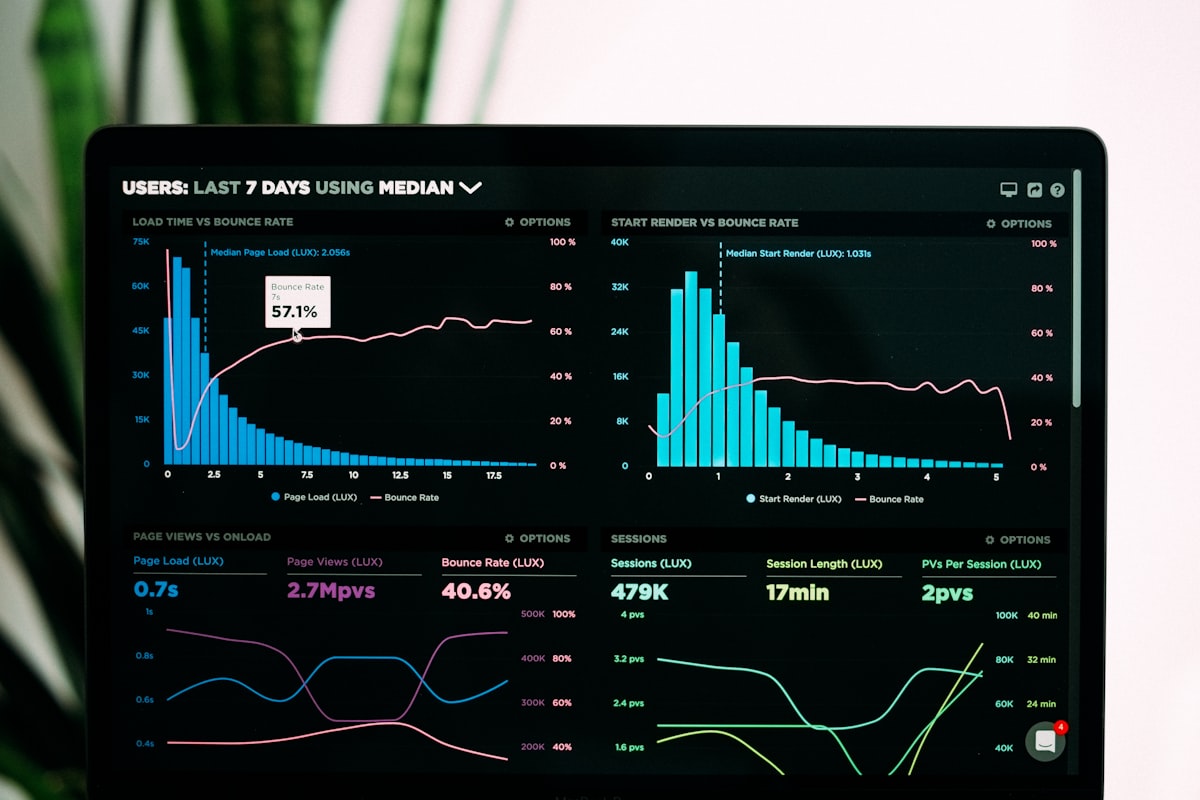
Setting Up Your Environment
Before you start analyzing data, you need to set up your Python environment. Here are the recommended steps:
- Install Python (preferably Python 3.7 or higher)
- Set up a virtual environment
- Install the necessary libraries (pandas, numpy, matplotlib, seaborn)
- Choose an IDE or notebook environment (Jupyter Notebook, VS Code, PyCharm)
For beginners, using Jupyter Notebook is highly recommended as it allows for interactive coding and visualization.
Basic Data Analysis Workflow
A typical data analysis project in Python follows these steps:
1. Loading Data
Pandas can read data from various formats including CSV, Excel, JSON, and SQL databases.
# Load data from a CSV file
df = pd.read_csv('data.csv')

# Load data from an Excel file
df = pd.read_excel('data.xlsx')
2. Exploring Data
Once you've loaded your data, you'll want to explore its structure and contents.
# View the first few rows
print(df.head())

# Get information about the DataFrame
print(df.info())

# Get statistical summary
print(df.describe())
3. Cleaning Data
Real-world data is often messy and requires cleaning before analysis.
# Check for missing values
print(df.isnull().sum())

# Fill missing values
df.fillna(0, inplace=True)

# Remove duplicates
df.drop_duplicates(inplace=True)
4. Analyzing Data
This is where you perform calculations and transformations to extract insights.
# Group data and calculate aggregates
grouped = df.groupby('category')['value'].mean()

# Apply functions to transform data
df['new_column'] = df['existing_column'].apply(lambda x: x * 2)
5. Visualizing Data
Visualizations help you understand patterns and relationships in your data.
# Create a histogram
df['column_name'].hist()
plt.title('Distribution of Values')
plt.show()

# Create a scatter plot
plt.scatter(df['x'], df['y'])
plt.title('Relationship between X and Y')
plt.show()
Next Steps in Your Python Data Analysis Journey
Once you've mastered the basics, consider exploring these advanced topics:
- Machine learning with Scikit-learn
- Statistical analysis with Statsmodels
- Big data processing with PySpark
- Deep learning with TensorFlow or PyTorch
- Web scraping for data collection with BeautifulSoup or Scrapy
Conclusion
Python provides an accessible yet powerful platform for data analysis. With its rich ecosystem of libraries and supportive community, anyone can start extracting insights from data. The key is to start with the fundamentals—pandas for data manipulation, matplotlib/seaborn for visualization—and gradually build your skills from there.
Remember that data analysis is as much about asking the right questions as it is about technical skills. Practice with real datasets, participate in communities like Kaggle, and don't be afraid to experiment. Happy analyzing!

